Casestudy: Decarbonisatie van de industrie met thermische opslag

Eneco logo, the largest energy supplier in the Netherlands and Belgium, and Volt project operator
Pepsico logo, collaborator with Eneco and Kraftblock for the project "RES Project Volt" that aims to decarbonize the potato chip frying process at a factory in the Netherlands using thermal energy storage.

Gas vervangen door flexibele, elektrische proceswarmte

Neem Contact  Op

Hoe industriële warmte  wordt overgedragen met warmtebatterijen
Vermindering van 98% van de uitstoot in de voedingsindustrie

Diagram of a Kraftblock thermal energy storage system. The system can replace fossil fuels with renewable power to provide energy resilient and flexible heat from renewable electricity
Graphic representation of a renewable energy system, with wind and solar power generation. The scene features multiple rows of blue solar panels on the ground and two white wind turbines in the background.
Groene stroom van het net wordt gebruikt op de site.
Goedkope energie
Elektriciteit wordt gekocht wanneer de prijzen laag zijn. Piekprijzen worden vermeden.
Scheme of a Kraftblock energy storage unit using resistive heater or power-to-heat element for flexible, cost-efficient electrification of industrial process heat
De elektriciteitwordt omgezet in warmte van 800 °C en opgeslagen.
Zeer efficiënte opslag
Warmte wordt opgeslagen in een systeem met een efficiëntie van meer dan 95%.
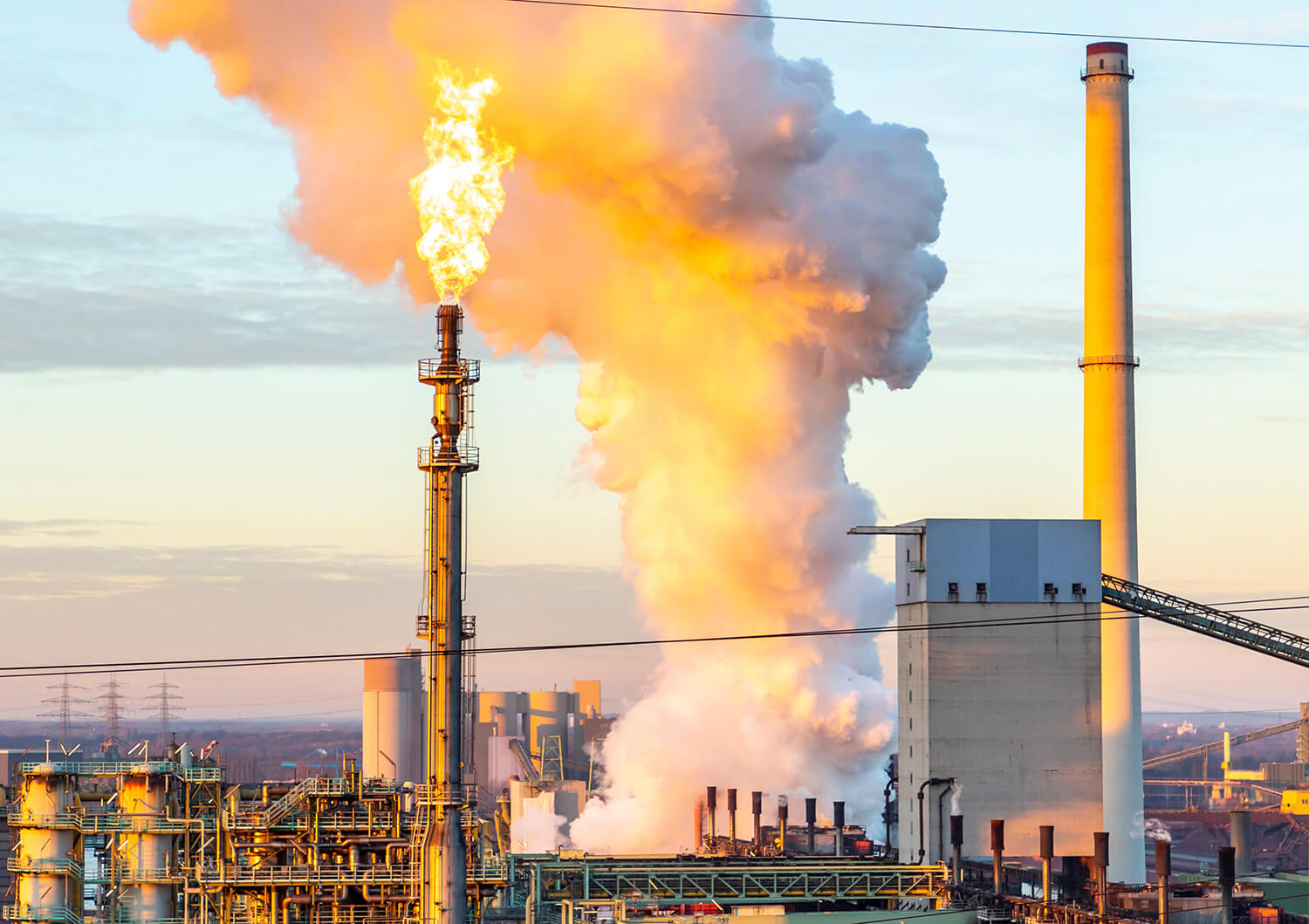
A 3D model of an industrial facility using natural gas. The model includes two large chimneys that represent fossil fuel use and is used as an example for waste heat generation
Warmte wordt flexibel geleverd – op aanvraag of 24/7 – bij ~300 °C.
Nauwkeurige energievoorziening
De warmte wordt overgedragen aan warmteoverdrachtsolie en geleverd aan de frituurolie.
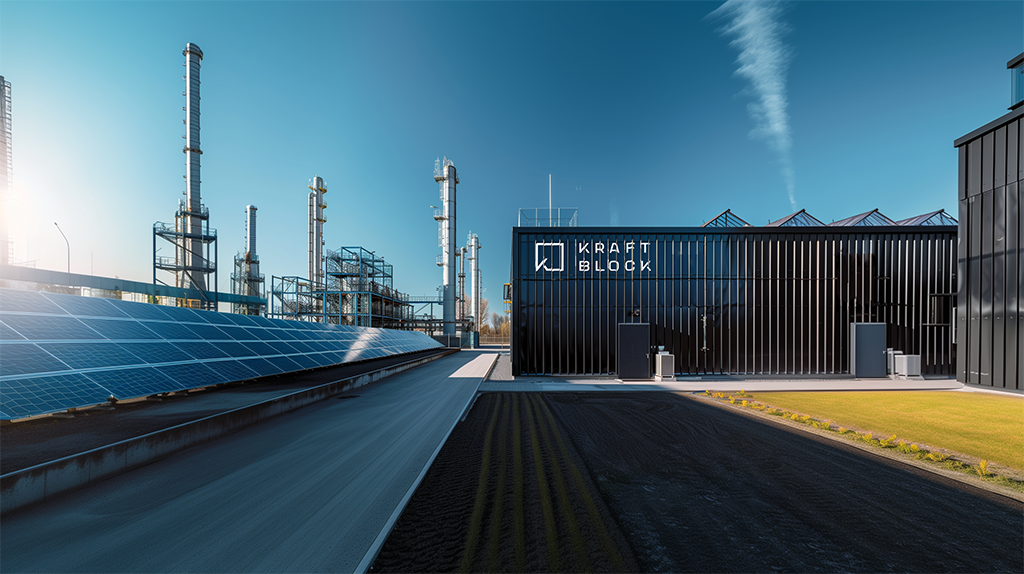
Kraftblock high-temperature thermal energy storage system installed at a PepsiCo factory in the Netherlands, projected to cut emissions by 98% and save up to 17,000 tonnes of CO2 per year. 

Projectgegevens

Eenheeden

Twee in de eerste stap, vijf in totaal zijn gepland

Opladen

Elke module kan 4,5 MWel opladen

Opslagcapaciteit

35 MWhth per module

Ontladen

Tot 4,5 MWth voor elke module - kan worden gecombineerd

Bespaarde emissies

8,500 t CO2e (2 eenheden) / 17,000 t CO2e ( 5 eenheden)

Bespaarde emissies in %

51% / 98%

Het bedrijfsmodel van thermische opslag voor industrieën
Verminder energiekosten voor proceswarmte

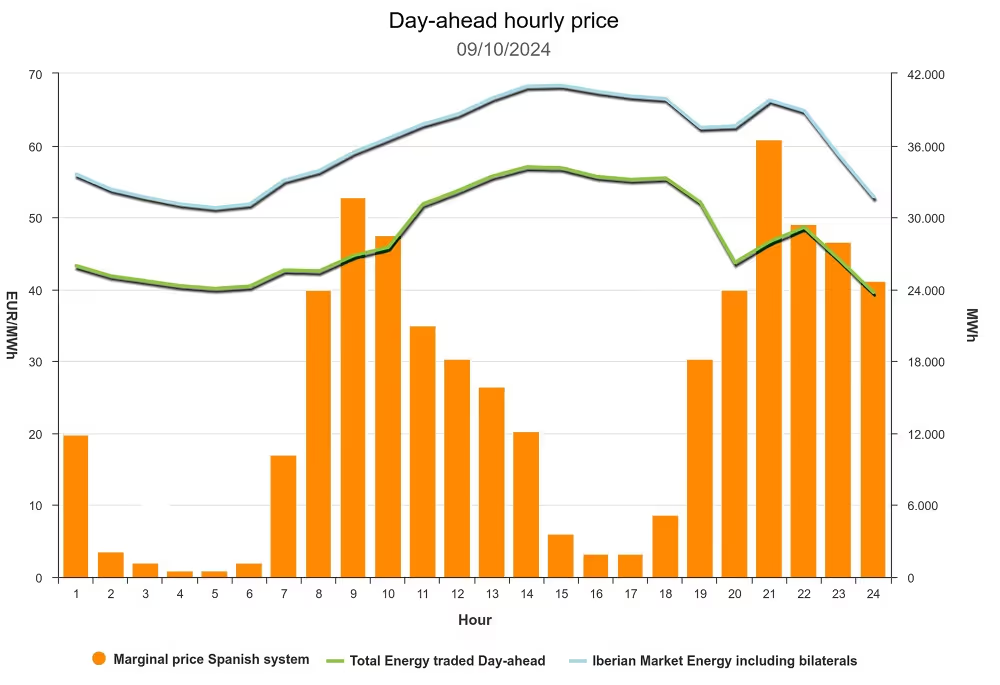
Chart detailing day-ahead hourly electricity prices and traded energy volumes within the spanish market that shows how the use of Kraftblock thermal storage allows a great cost reduction of electrification
Chart detailing day-ahead hourly electricity prices and traded energy volumes within the spanish market that shows the price volatility without thermal energy storage solution.

Thermische opslag in combinatie met elektrificatie zorgt voor een grote kostenbesparing in vergelijking met directe elektrificatie. Dit komt door het bedrijfsmodel van thermische energieopslagsystemen. Anders dan bij directe elektrificatie is er een grote flexibiliteit bij het inkopen van elektriciteit voor het gebruik van proceswarmte.

Op de dag-vooruit- of intradaymarkt kan de levering van proceswarmte worden afgestemd op de goedkoopste beschikbare uren. De Kraftblock-opslag maakt gebruik van lage prijzen om de industrie later van energie te voorzien. De exploitatiekosten liggen dus ver onder het gemiddelde.

Een flexibele PPA met Kraftblock is dus voordeliger dan een standaard overeenkomst. Aangezien de leverancier dezelfde marktmechanismen gebruikt, is een opslag een geweldig hulpmiddel voor hem om negatieve prijzen op te slaan. De PPA met flexibiliteit van Kraftblock is dus goedkoper dan een normale PPA.

Tot slot, als een industrie zelf energie opwekt, kunnen ze het overschot in het Kraftblock-systeem gebruiken in plaats van de elektriciteit voor minder te verkopen. In onze whitepaper over flexibiliteit laten we zien hoe drastisch de kostenreductie van elektrificatie met opslag is.

Elektrificatie met thermische opslag
Ontdek de opslaginstallatie

Scheme of Kraftblock's Electrification with Thermal Energy Storage System to decarbonise industrial process heat, specifically from the  "Volt” Project with Eneco for PepsiCo to fry potato chips with renewable energy and storage
Vertrouwd door innovators
Maschinenfabrik Augsburg-Nürnberg (MAN) logo, german manufacturing and engineering company.Iqony company logo. Global service provider in renewable energy and climate-neutral technologies.Mitsubishi Power logo. Unit from Mitsubishi Electric Power Products, inc that provides power generation and energy solutions.EIT Climate-KIC logo. European Union climate change innovation agency.

Industriële decarbonisatie in elke sector
Gebruik hernieuwbare energie als warmte in industriële processen

Voedingsindustrie

  • Industriële bakkerijen
  • Zuivelindustrie
  • Suiker en snoep
  • Vleesverwerking
  • Processen Voeding

Drankindustrie

  • Brouwerijen
  • Distilleerderijen
  • Koffiebranden
  • Sterilisatieprocessen
  • Pasteuriseren

Pulp- en papierindustrie

  • Stoom voor kalenderverschroeiing
  • Digester
  • Optimalisatie van energiecentrales

Chemische industrie

  • Acrylzuur
  • Desinfectie
  • Rectificatie
  • Biodiesel

Zware industrieën

  • Ovens voorverwarmen
  • Smelten (zink, aluminium)
  • Metaalbewerking (gloeien, ontlaten)

Andere toepassingen

  • Bitumenverwarming (asfalt)
  • Bakstenen/keramiek drogen
  • Stoom voor textiel

This project is supported by the German FederalMinistry for Economic Affairs and Energy as part of the Renewable EnergySolutions Programme of the German Energy Solutions Initiative.

Logo of the “Mittelstand Global Energy Solutions Made in Germany” initiative, which aims to promote climate-friendly energy solutions from Germany, alongside the logo of the Federal Ministry for Economic Affairs and Energy, which supports the program, and dena's logo (German Energy Agency), which implements it.
German Energy Agency (dena)

The German Energy Agency (dena) is a centre of excellence for the applied energy transition and climate protection. dena studies the challenges of building a climate-neutral society and supports the German government in achieving its energy and climate policy objectives. Since its foundation in 2000, dena has worked to develop and implement solutions and bring together national and international partners from politics, industry, the scientific community and all parts of society. dena is a project enterprise and a public company owned by the German federal government. dena’s shareholder is the Federal Republic of Germany. www.dena.de/en/  

German Energy Solutions Initiative

With the aim of positioning German technologies and know-how worldwide, the German Energy Solutions Initiative of the Federal Ministry of Economic Affairs and Climate Action (BMWK) supports suppliers of climate-friendly energy solutions in opening up foreign markets. The focus lies on renewable energies, energy efficiency, smart grids and storage, as well as technologies such as power-to-gas and fuel cells. Aimed in particular at small and medium-sized enterprises, the German Energy Solutions Initiative supports participants through measures to prepare market entry as well as to prospect, develop and secure new markets. www.german-energy-solutions.de/GES/Navigation/EN/Home/home.html

Renewable Energy Solutions Programme (RES Programme)

With the RES programme, the German Energy Solutions Initiative of the Federal Ministry for Economic Affairs and Climate Action (BMWK) helps German companies in the renewable energy and energy efficiency sectors enter new markets. Within the framework of the programme, reference plants are installed and marketed with the support of the German Energy Agency (dena). Information and training activities help ensure a sustainable market entry and demonstrate the quality of climate-friendly technologies made in Germany. www.german-energy-solutions.de/GES/Redaktion/EN/Basepages/Services/dena-res.html